
 العربية
Use of Cookies by this site is just to guarantee Ease of Access and better user experience while browsing. Continuation of your browsing acknowledges your approval for Terms and Conditions of this site and its use of Cookies.
Privacy PolicyWebsite belongs to an official government organization in the Kingdom of Saudi Arabia always ends with .gov.sa
Secured governments websites in the Kingdom of Saudi Arabia use Https encryption.

Rising majestically from the desert floor, Jabal al-Ahmar presents a dramatic spectacle with its rugged cliffs and towering peaks. The deep red coloration of its rocks, caused by iron oxide deposits, creates a mesmerizing contrast against the golden sands of the desert. Carved into the mountain's slopes are 18 intricately crafted tombs, showcasing the architectural prowess of the ancient Nabataeans. Each tomb is a testament to the rich cultural heritage of the region, offering a glimpse into the burial customs and rituals of the past. Visitors to Jabal al-Ahmar are treated to not only stunning natural scenery but also a window into the ancient civilizations that once thrived in this arid land.

Jabal al-Ahmar has long been revered by ancient civilizations, including the Nabataeans, who inhabited the region over two millennia ago. The mountain served as a sacred site for burial practices, with the carved tombs bearing witness to the sophistication of Nabataean craftsmanship and engineering. Recent archaeological excavations have uncovered additional tombs, shedding new light on the lives and customs of the ancient inhabitants of Hajar. These discoveries have sparked renewed interest in the region's history and heritage, positioning Jabal al-Ahmar as a focal point for archaeological research and cultural tourism in Saudi Arabia.
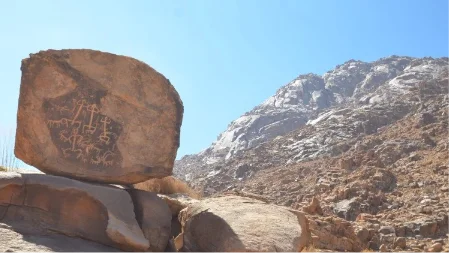
Jabal al-Ahmar is a common name for mountains or hills with reddish-colored rocks or soil, found in different parts of the world. These mountains often derive their color from iron oxide or other minerals present in the soil or rock formations.

In various cultures, red mountains hold symbolic significance, representing strength, endurance, and vitality. They often feature in folklore, myths, and legends, portraying them as sacred or mystical places imbued with spiritual energy.
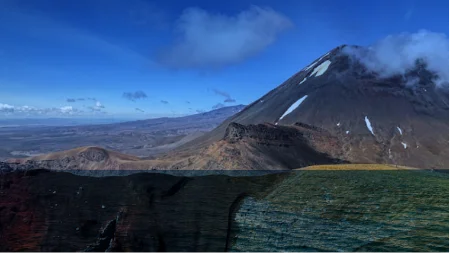
Many regions with Jabal al-Ahmar formations attract tourists due to their stunning natural beauty and geological uniqueness. Visitors can enjoy activities such as hiking, photography, and nature exploration while marveling at the distinctive red hues of the landscape.
Explore the future of weather forecasting with the Anwaa app, featuring real-time alerts, advanced climate analytics, and personalized forecasts for unparalleled accuracy and preparedness.


Use of Cookies by this site is just to guarantee Ease of Access and better user experience while browsing. Continuation of your browsing acknowledges your approval for Terms and Conditions of this site and its use of Cookies.
Privacy Policy.png)
When you visit any website, it may store or retrieve information on your browser, mostly in the form of cookies. This information might be about you, your preferences or your device and is mostly used to make the site work as you expect it to. The information does not usually directly identify you, but it can give you a more personalized web experience. Because we respect your right to privacy, you can choose not to allow some types of cookies. Click on the different category headings to find out more and change our default settings. However, blocking some types of cookies may impact your experience of the site and the services we are able to offer.