
 العربية
Use of Cookies by this site is just to guarantee Ease of Access and better user experience while browsing. Continuation of your browsing acknowledges your approval for Terms and Conditions of this site and its use of Cookies.
Privacy PolicyWebsite belongs to an official government organization in the Kingdom of Saudi Arabia always ends with .gov.sa
Secured governments websites in the Kingdom of Saudi Arabia use Https encryption.

Jabal Al-Qahr rises majestically from the rugged landscape of the Jazan region, its slopes adorned with intricate agricultural terraces carved into the mountainside. These terraces, supported by ancient stone walls, create a stunning visual contrast against the rocky backdrop. The fertile soil nurtures a variety of crops, including coffee, grains, and fruits, contributing to the region's agricultural prosperity. From its elevated vantage points, visitors are treated to breathtaking views of the surrounding mountains and valleys, making it a popular destination for nature enthusiasts and adventurers alike.

The agricultural terraces of Jabal Al-Qahr bear witness to centuries of human habitation and cultivation in the Jazan region. Dating back to ancient times, local communities ingeniously carved terraces into the mountain slopes to maximize arable land and mitigate the challenges of farming on steep terrain. These terraces not only served as a source of sustenance for the inhabitants but also played a crucial role in shaping the cultural and economic landscape of the region. Over the centuries, generations of farmers have tended to these terraces, passing down traditional farming techniques and knowledge from one generation to the next. Today, Jabal Al-Qahr stands as a living testament to the resilience and resourcefulness of the people of Jazan.
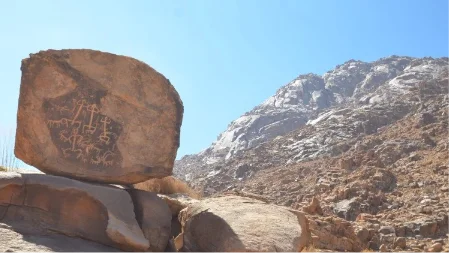
Jabal Al-Qahr is situated in the city of Mecca, Saudi Arabia. It is located to the south of the Grand Mosque (Masjid al-Haram) and is known for its rocky terrain and steep slopes.

Jabal Al-Qahr holds historical importance as it is believed to be the site where the Prophet Ibrahim (Abraham) (peace be upon him) was ready to sacrifice his son Isma'il (Ishmael) (peace be upon him) in obedience to God's command. This event, known as the sacrifice of Ibrahim (Qurban), is commemorated by Muslims during the annual pilgrimage (Hajj).
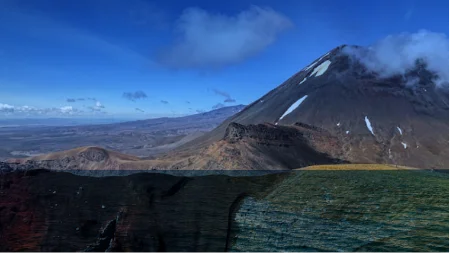
The name "Jabal Al-Qahr" translates to the "Mountain of Defiance," symbolizing the defiance of Satan (Shaytan) during the attempted persuasion of Prophet Ibrahim (peace be upon him) to disobey God's command. It serves as a reminder of the importance of faith, obedience, and submission to the will of God.
Explore the future of weather forecasting with the Anwaa app, featuring real-time alerts, advanced climate analytics, and personalized forecasts for unparalleled accuracy and preparedness.


Use of Cookies by this site is just to guarantee Ease of Access and better user experience while browsing. Continuation of your browsing acknowledges your approval for Terms and Conditions of this site and its use of Cookies.
Privacy Policy.png)
When you visit any website, it may store or retrieve information on your browser, mostly in the form of cookies. This information might be about you, your preferences or your device and is mostly used to make the site work as you expect it to. The information does not usually directly identify you, but it can give you a more personalized web experience. Because we respect your right to privacy, you can choose not to allow some types of cookies. Click on the different category headings to find out more and change our default settings. However, blocking some types of cookies may impact your experience of the site and the services we are able to offer.