
 العربية
Use of Cookies by this site is just to guarantee Ease of Access and better user experience while browsing. Continuation of your browsing acknowledges your approval for Terms and Conditions of this site and its use of Cookies.
Privacy PolicyWebsite belongs to an official government organization in the Kingdom of Saudi Arabia always ends with .gov.sa
Secured governments websites in the Kingdom of Saudi Arabia use Https encryption.

Elephant Mountain, or Jabal Al-Fil, is a mesmerizing geological formation resembling an elephant, nestled in the Al-Ula Governorate of the Medina region. Standing tall at 52 meters, it captivates visitors with its striking resemblance to the majestic creature. The rugged contours and weathered facade of the rock mass evoke a sense of ancient grandeur, drawing adventurers and nature enthusiasts alike.

Elephant Mountain has stood as a silent witness to centuries of human history and natural evolution. Dating back to ancient times, this geological marvel has been a significant landmark, serving as a navigational aid and a symbol of strength and resilience for the local communities. Legends and folklore intertwine with its rugged cliffs, enriching its historical tapestry and adding to its mystique.
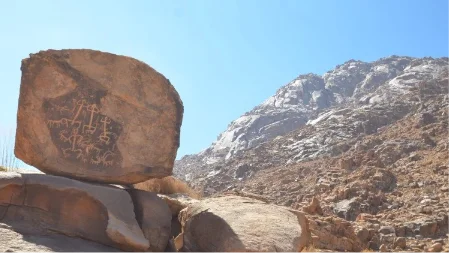
Jabal Al-Fil is named after its unique shape, which resembles an elephant with its trunk lowered. It is a natural sandstone formation sculpted by wind and water erosion over millions of years. This distinctive shape has made it a popular tourist attraction and a landmark in the region.
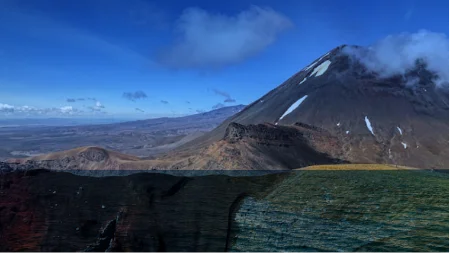
Jabal Al-Fil is situated in the Al-Ula region of northwestern Saudi Arabia, known for its stunning desert landscapes and ancient historical sites. It is part of the Madain Saleh (Al-Hijr) archaeological site, a UNESCO World Heritage site famed for its Nabatean ruins and rock-cut tombs.

Elephant Rock holds cultural significance as it is believed to have been mentioned in ancient Arabian folklore and legends. The site is also associated with the historical and cultural heritage of the region, attracting researchers, archaeologists, and tourists interested in exploring its history and geological wonders.
Explore the future of weather forecasting with the Anwaa app, featuring real-time alerts, advanced climate analytics, and personalized forecasts for unparalleled accuracy and preparedness.


Use of Cookies by this site is just to guarantee Ease of Access and better user experience while browsing. Continuation of your browsing acknowledges your approval for Terms and Conditions of this site and its use of Cookies.
Privacy Policy.png)
When you visit any website, it may store or retrieve information on your browser, mostly in the form of cookies. This information might be about you, your preferences or your device and is mostly used to make the site work as you expect it to. The information does not usually directly identify you, but it can give you a more personalized web experience. Because we respect your right to privacy, you can choose not to allow some types of cookies. Click on the different category headings to find out more and change our default settings. However, blocking some types of cookies may impact your experience of the site and the services we are able to offer.