
 العربية
Use of Cookies by this site is just to guarantee Ease of Access and better user experience while browsing. Continuation of your browsing acknowledges your approval for Terms and Conditions of this site and its use of Cookies.
Privacy PolicyWebsite belongs to an official government organization in the Kingdom of Saudi Arabia always ends with .gov.sa
Secured governments websites in the Kingdom of Saudi Arabia use Https encryption.

Mount Arafat, also reverently called Jabal al-Rahmah (Mountain of Mercy), is a site of profound religious significance within the Islamic tradition, located in the plain of Arafat near Mecca. This modest granite hill, reaching a height of approximately 30 meters (about 98 feet), is an essential part of the Hajj pilgrimage, symbolizing the epitome of Divine Mercy and forgiveness. On the 9th day of the Islamic month of Dhu al-Hijjah, pilgrims gather on and around Mount Arafat in a day known as the Day of Arafah, engaging in prayer and supplication from noon until sunset. This act commemorates the final sermon of the Prophet Muhammad and is considered a moment when the mercy of God is closest to the faithful, offering a unique opportunity for forgiveness and spiritual renewal. The small stature of Mount Arafat belies its immense spiritual stature, with its bare rocky surface witnessing the profound acts of faith by millions of Muslims from around the world, fulfilling one of the five pillars of Islam and seeking closeness to God.
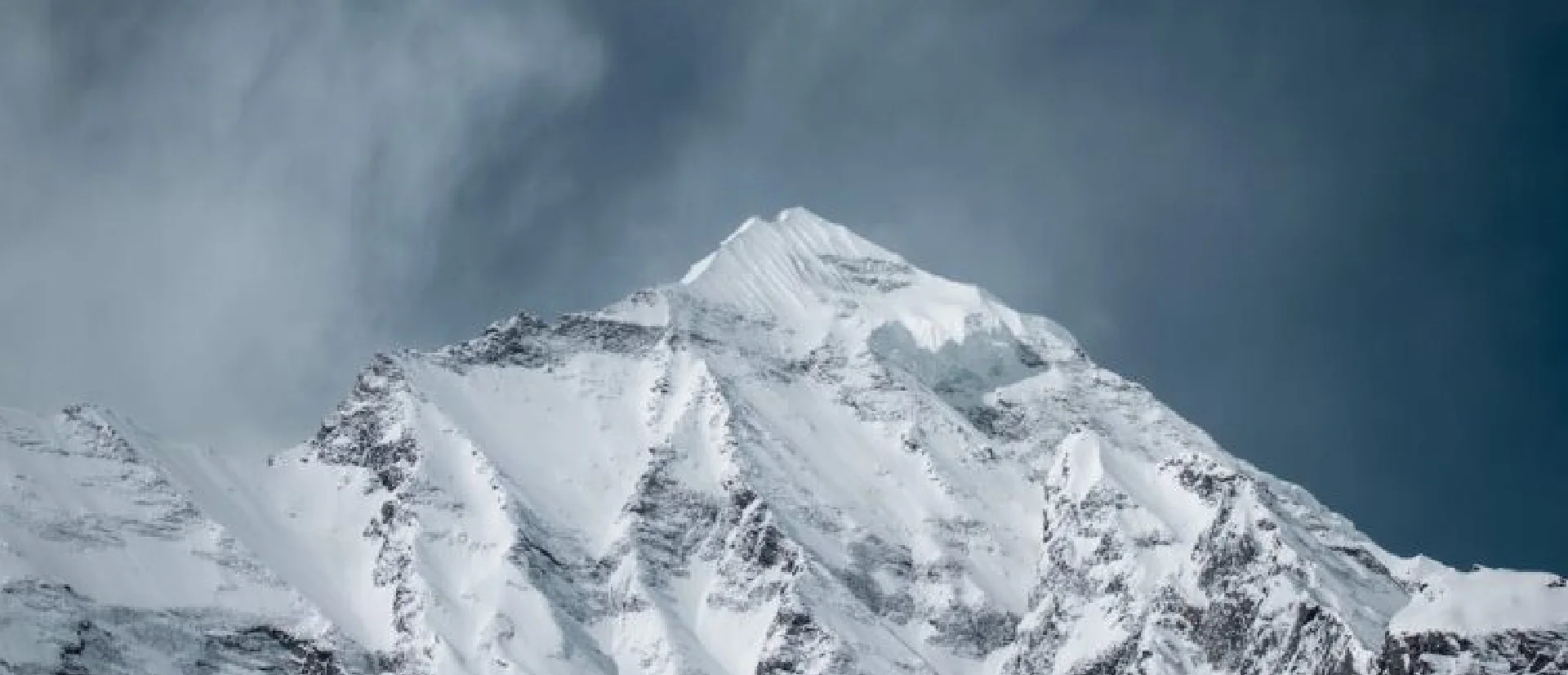
The historical and spiritual legacy of Mount Arafat dates back to the time of the Prophet Muhammad and even before, embedded within the rich tapestry of Islamic tradition. According to Islamic belief, Mount Arafat is where the Prophet Muhammad delivered his Farewell Sermon to the Muslim community during his final Hajj, in the year 632 CE, outlining the core principles of the faith and calling for unity, equality, and peace among Muslims. This event marks a pivotal moment in Islamic history, reinforcing the significance of Arafat as a site of divine communion and reflection. Over the centuries, Mount Arafat has remained a focal point of the Hajj pilgrimage, drawing millions of believers annually to stand in prayer and seek forgiveness, as was done by the Prophet and his followers. The enduring importance of Mount Arafat in the collective memory of the Muslim world highlights its role not only as a geographical landmark but also as a symbol of faith, repentance, and the universal values espoused by Islam.
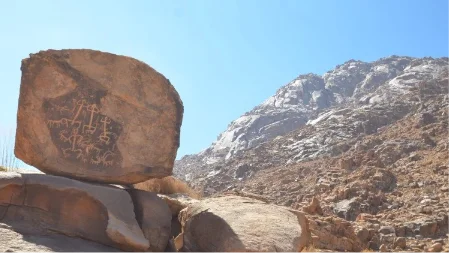
Jabal Arafat is located near Mecca, Saudi Arabia, and is a crucial part of the Hajj pilgrimage. On the 9th day of the Islamic month of Dhu al-Hijjah, pilgrims gather on the plains of Arafat to perform the most important ritual of Hajj, known as the "Standing at Arafat." It is considered a pivotal moment in the pilgrimage, where pilgrims seek forgiveness, supplicate, and reflect on their faith.
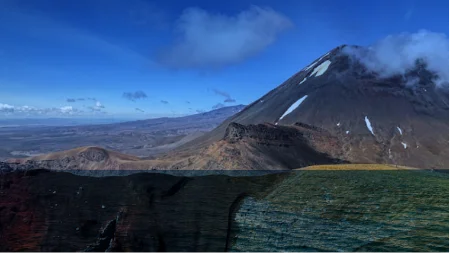
Aside from its importance in Islamic pilgrimage, Jabal Arafat is renowned for its historical and spiritual significance. It was on this mountain that Prophet Muhammad (peace be upon him) delivered his Farewell Sermon, outlining principles of social justice, human rights, and equality among believers, which remain relevant teachings in Islam today.

The gathering of millions of pilgrims from diverse backgrounds and cultures at Jabal Arafat symbolizes the unity of the Muslim community. Regardless of race, nationality, or social status, pilgrims stand shoulder to shoulder, dressed in simple white garments, demonstrating the equality and brotherhood prescribed in Islam.
Explore the future of weather forecasting with the Anwaa app, featuring real-time alerts, advanced climate analytics, and personalized forecasts for unparalleled accuracy and preparedness.


Use of Cookies by this site is just to guarantee Ease of Access and better user experience while browsing. Continuation of your browsing acknowledges your approval for Terms and Conditions of this site and its use of Cookies.
Privacy Policy.png)
When you visit any website, it may store or retrieve information on your browser, mostly in the form of cookies. This information might be about you, your preferences or your device and is mostly used to make the site work as you expect it to. The information does not usually directly identify you, but it can give you a more personalized web experience. Because we respect your right to privacy, you can choose not to allow some types of cookies. Click on the different category headings to find out more and change our default settings. However, blocking some types of cookies may impact your experience of the site and the services we are able to offer.