
 العربية
Use of Cookies by this site is just to guarantee Ease of Access and better user experience while browsing. Continuation of your browsing acknowledges your approval for Terms and Conditions of this site and its use of Cookies.
Privacy PolicyWebsite belongs to an official government organization in the Kingdom of Saudi Arabia always ends with .gov.sa
Secured governments websites in the Kingdom of Saudi Arabia use Https encryption.

Mount Thawr, also known as Mount Akhal, stands as a revered Islamic and historical site. Located to the south of Mecca in the Kingdom of Saudi Arabia, it holds immense significance for Muslims worldwide. Rising to approximately 750 meters, its peak shelters the Cave of Thawr, a place of historical importance in Islamic tradition. The mountain's rugged beauty and spiritual aura attract pilgrims and tourists alike.

The history of Mount Thawr intertwines with significant events in Islamic history. During the early days of Islam, the Prophet Muhammad (peace be upon him) and his companion Abu Bakr sought refuge in the Cave of Thawr while migrating from Mecca to Medina, escaping persecution from the Quraysh tribe. Legend has it that divine intervention concealed their presence from their pursuers, allowing them to continue their journey safely. This event, known as the Hijra, marks a pivotal moment in Islamic history and symbolizes the triumph of faith over adversity. Mount Thawr serves as a reminder of the resilience and faith of the early Muslims, inspiring believers to persevere in the face of challenges.
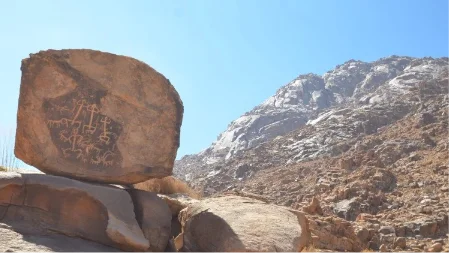
Jabal Thowr is located near the city of Mecca in Saudi Arabia. It is a rocky mountain situated to the south of Mecca's Grand Mosque, approximately 5 kilometers away from the Kaaba.
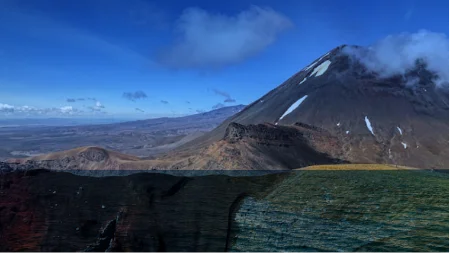
Jabal Thowr is famous for its association with the Prophet Muhammad (peace be upon him) during the Hijra, the migration from Mecca to Medina in 622 CE. According to Islamic tradition, when the Prophet and his companion Abu Bakr sought refuge in the cave of Thowr during their journey, divine protection saved them from the pursuing Quraysh tribe.

While not a mandatory part of the Hajj or Umrah pilgrimage, visiting Jabal Thowr is considered meritorious by many Muslims. Pilgrims often make a point to visit the site to pay their respects and reflect on the events of the Hijra.
Explore the future of weather forecasting with the Anwaa app, featuring real-time alerts, advanced climate analytics, and personalized forecasts for unparalleled accuracy and preparedness.


Use of Cookies by this site is just to guarantee Ease of Access and better user experience while browsing. Continuation of your browsing acknowledges your approval for Terms and Conditions of this site and its use of Cookies.
Privacy Policy.png)
When you visit any website, it may store or retrieve information on your browser, mostly in the form of cookies. This information might be about you, your preferences or your device and is mostly used to make the site work as you expect it to. The information does not usually directly identify you, but it can give you a more personalized web experience. Because we respect your right to privacy, you can choose not to allow some types of cookies. Click on the different category headings to find out more and change our default settings. However, blocking some types of cookies may impact your experience of the site and the services we are able to offer.