
 العربية
Use of Cookies by this site is just to guarantee Ease of Access and better user experience while browsing. Continuation of your browsing acknowledges your approval for Terms and Conditions of this site and its use of Cookies.
Privacy PolicyWebsite belongs to an official government organization in the Kingdom of Saudi Arabia always ends with .gov.sa
Secured governments websites in the Kingdom of Saudi Arabia use Https encryption.

Jabal Tuwaiq is a narrow escarpment that cuts through the Najd plateau, located west of Riyadh city in the central part of the Kingdom. It is named so because it is a diminutive of the word "طوق" (ṭawq), meaning "necklace", and because its heights are in the shape of a necklace. Jabal Tuwaiq is characterized by its rugged rocky terrain and serves as a habitat for a variety of plants and animals.
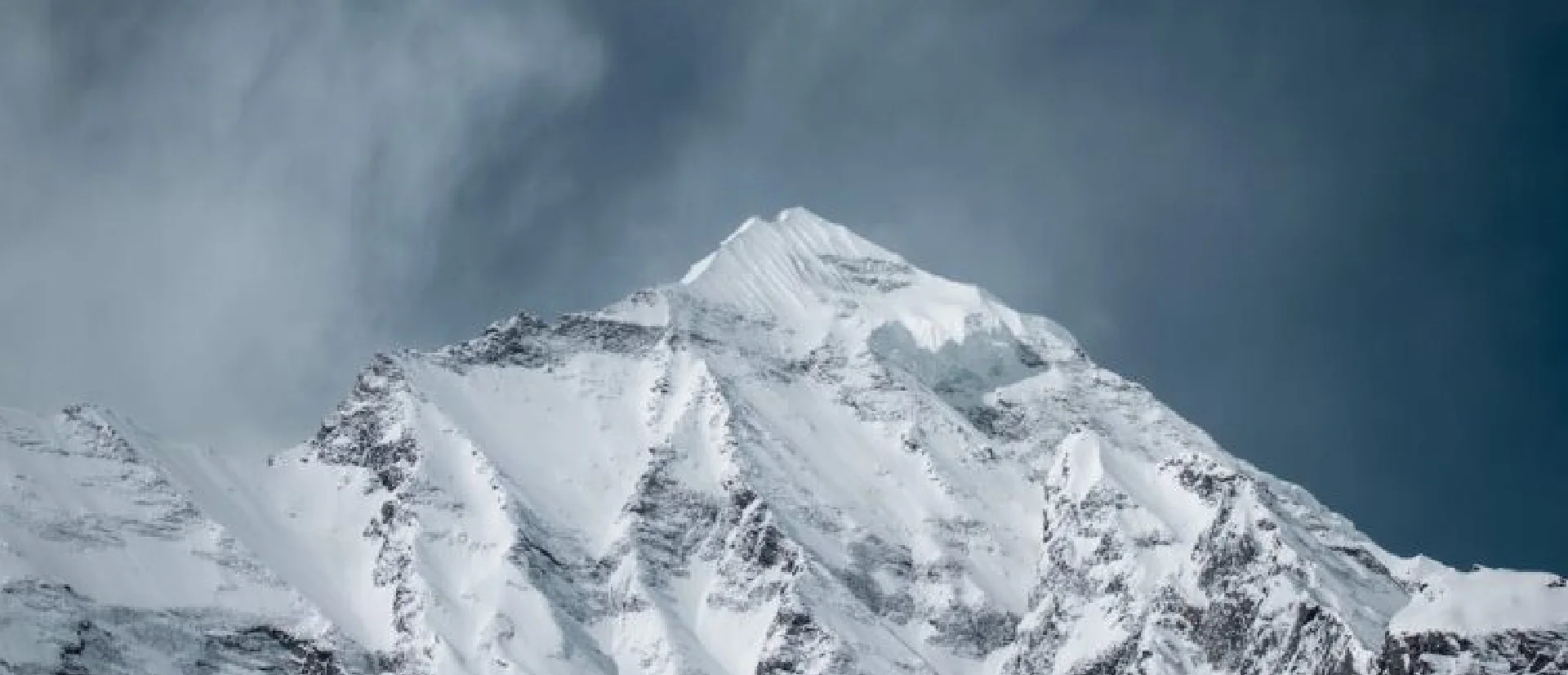
The history of Jabal Tuwaiq dates back to ancient times, where this area was highly significant for Arab tribes and trade caravans during the Middle Ages. It served as a natural corridor for trade between the north and south. This mountain is also known for its strategic importance throughout modern history, witnessing battles and occupations in various periods.
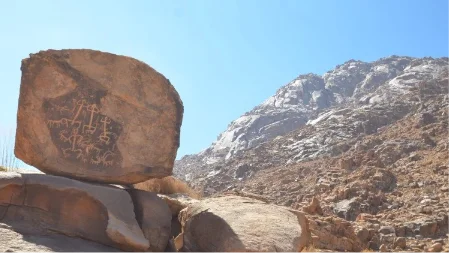
Jabal Towaiq stretches approximately 800 kilometers (500 miles) across central Saudi Arabia, running in an east-west direction. It forms a natural escarpment or plateau, dividing the Najd region to the north from the eastern and western regions of the country.
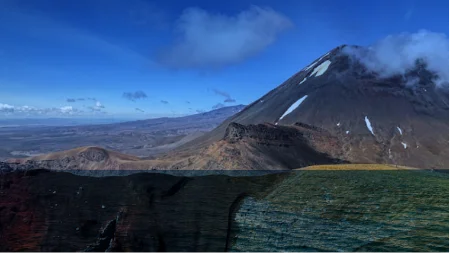
Jabal Towaiq is primarily composed of sedimentary rock layers, including limestone and sandstone, formed over millions of years. Its distinctive flat-topped appearance and steep cliffs make it a notable landmark in the desert landscape.
The mountain has historical and cultural significance in Saudi Arabia. It has served as a natural barrier and provided strategic defense positions throughout history. Additionally, the area surrounding Jabal Towaiq is home to various archaeological sites and petroglyphs, offering insights into ancient civilizations that once inhabited the region.
Explore the future of weather forecasting with the Anwaa app, featuring real-time alerts, advanced climate analytics, and personalized forecasts for unparalleled accuracy and preparedness.


Use of Cookies by this site is just to guarantee Ease of Access and better user experience while browsing. Continuation of your browsing acknowledges your approval for Terms and Conditions of this site and its use of Cookies.
Privacy Policy.png)
When you visit any website, it may store or retrieve information on your browser, mostly in the form of cookies. This information might be about you, your preferences or your device and is mostly used to make the site work as you expect it to. The information does not usually directly identify you, but it can give you a more personalized web experience. Because we respect your right to privacy, you can choose not to allow some types of cookies. Click on the different category headings to find out more and change our default settings. However, blocking some types of cookies may impact your experience of the site and the services we are able to offer.