The Regional Center for Climate Change (RCCC) has launched a strategic project to digitize historical climate records spanning 73 years, from 1951 to 2023, as part of its efforts to enhance the accuracy and speed of access to climate data, and to support its use in scientific research, environmental planning and data-driven decision-making.
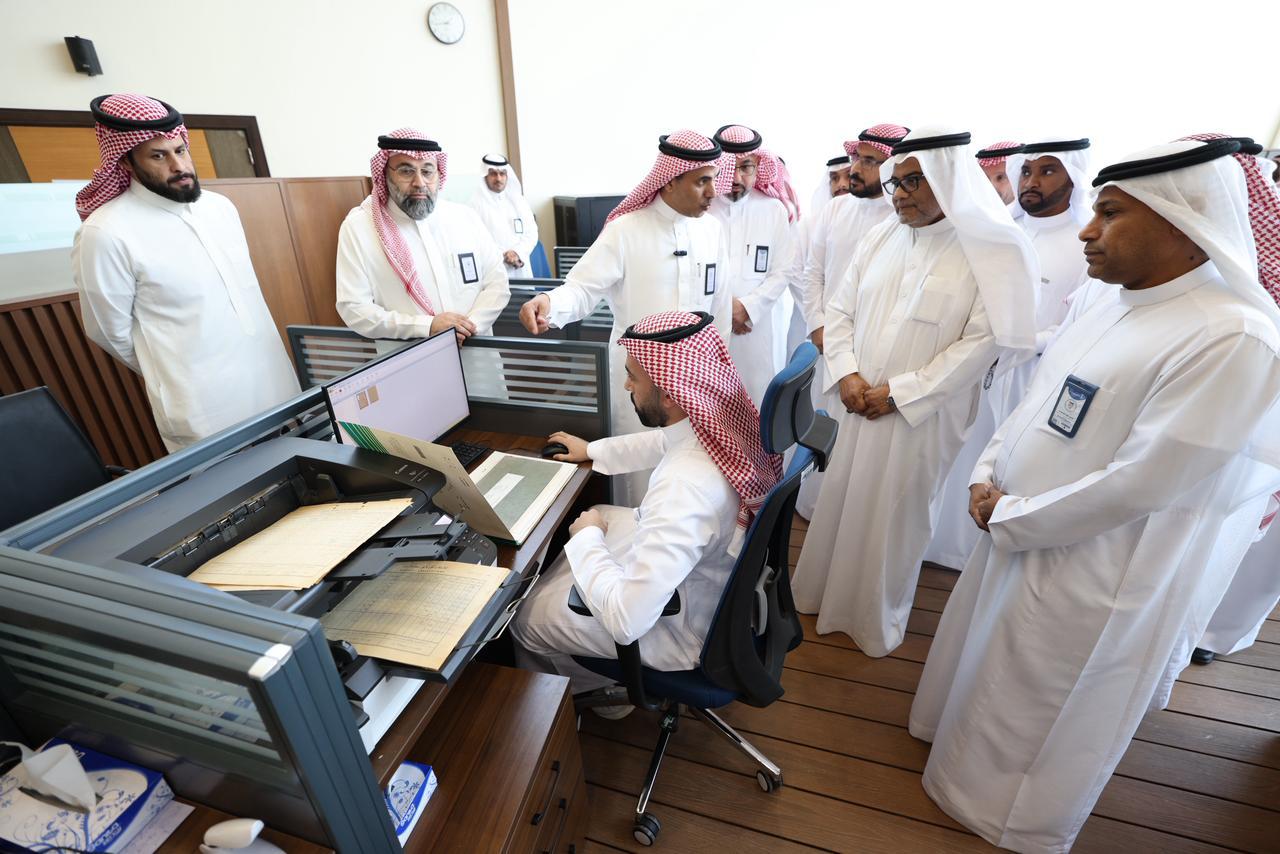
The CEO of the National Center of Meteorology and General Supervisor of the Regional Center for Climate Change, Dr. Ayman bin Salem Ghulam, was briefed on Thursday on the progress of the project, which includes the data of 33 manned climate stations in various regions of the Kingdom, to digitize 36 thousand historical records, which includes 73 employees, and aims to convert paper records into digital copies compatible with the center's databases, in accordance with the latest scientific and technical standards.
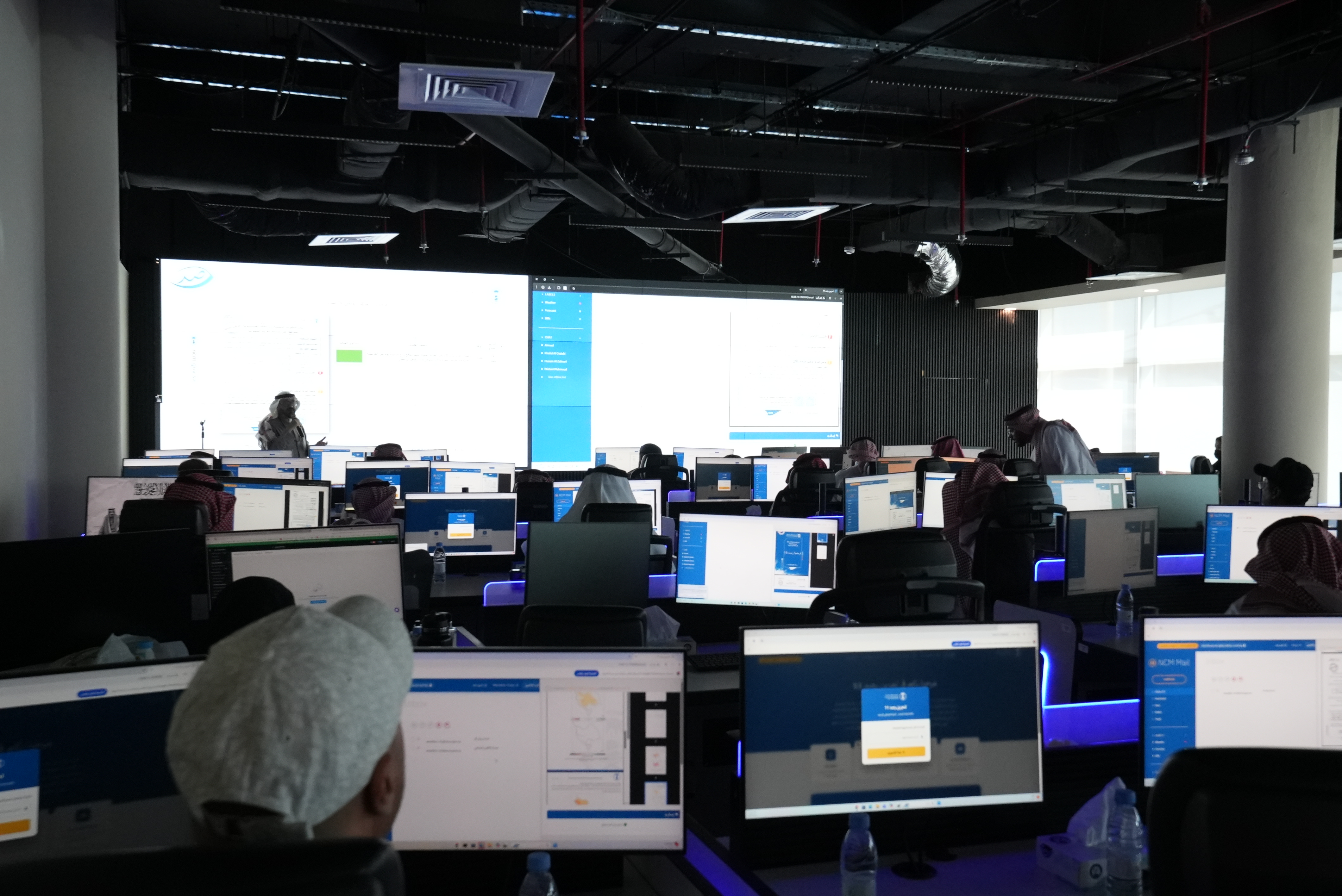
The project is based on five main tracks, including: inventorying and assessing the status of paper records, entering and converting data electronically, auditing inputs to ensure their conformity with assets, examining climate quality through specialized scientific tools, and building human capacities through training programs and technical workshops. The project also includes the preparation of monthly and quarterly reports documenting the stages of progress, leading to the final report upon completion.
The climate records cover more than 73 years of data collected with accurate monitoring tools and international standards, and have varied over decades in their forms and languages between Arabic and English, with the use of the metric and sometimes imperial system to record readings.
This project is a strategic step towards promoting digital transformation in the meteorological sector, supporting environmental security and sustainable development in the Kingdom, and contributing to consolidating the Kingdom's position as a leading regional hub in the field of climate monitoring and weather forecasting.

 العربية






.png)